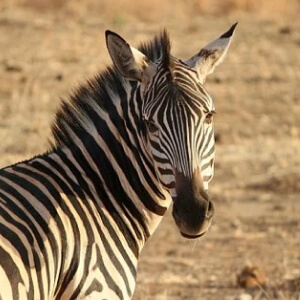
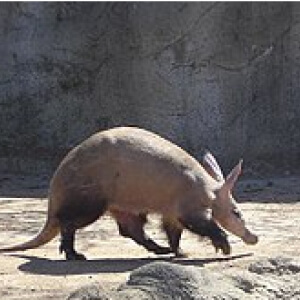
 AardvarkOrycteropus afer
Mammals
Mammals are a diverse group found on every continent, from polar to tropical regions. They include animals that live on land, fly or spend their lives in water.
What are mammals?
Mammals are vertebrates whose young receive milk produced by mammary glands. Most give birth to live young. Hair or fur is another characteristic, and all mammals breathe air with lungs, including whales and dolphins.
Main characteristics of mammals
- Mostly live-bearing: most give birth to live young, with egg-laying mammals as exceptions.
- Milk: females produce milk to feed their young.
- Internal heat production: mammals generate heat within the body, although temperature regulation varies.
- Lungs: aquatic mammals must also breathe air.
- Hair: its amount varies, and it can be very sparse in some species.
Examples of mammals
- Wild mammals: lions, tigers, bears, elephants and wolves.
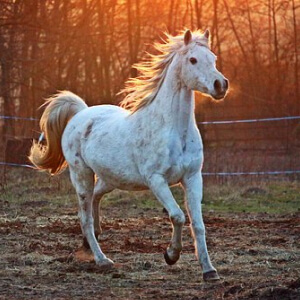
- Domestic mammals: dogs, cats, cattle and horses.
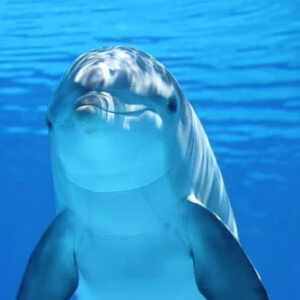
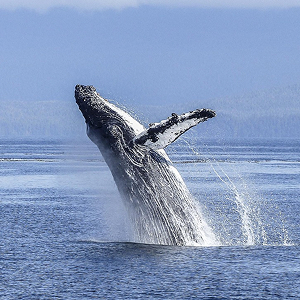
- Marine mammals: dolphins, whales and seals.
A
AardvarkOrycteropus afer
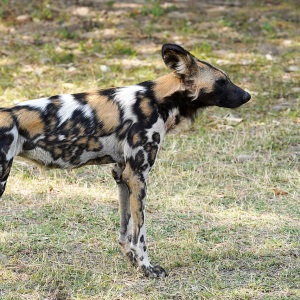 African wild dogLycaon pictus
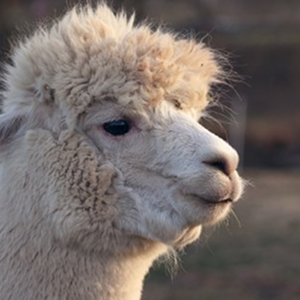 AlpacaVicugna pacos
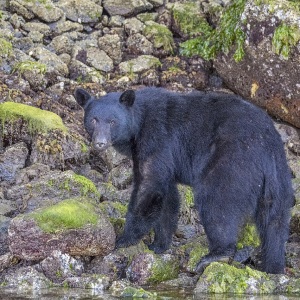 American black bearUrsus americanus
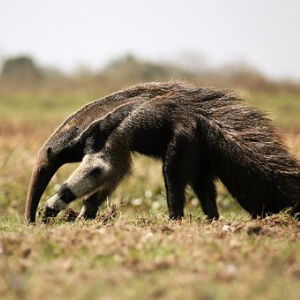 AnteaterVermilingua
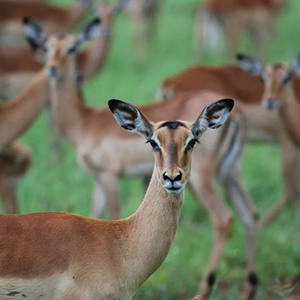 AntelopeBovidae (antelope groups)
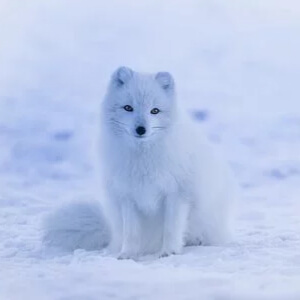 Arctic foxVulpes lagopus
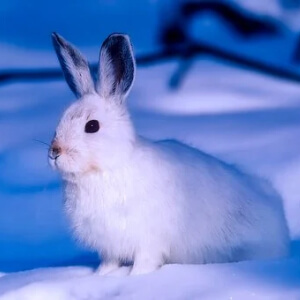 Arctic hareLepus arcticus
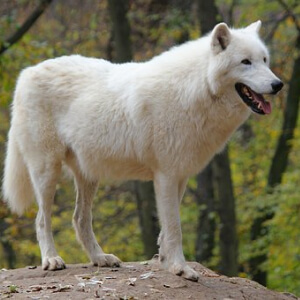 Arctic wolfCanis lupus arctos
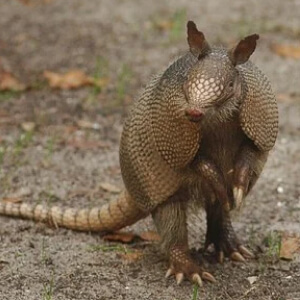 ArmadilloCingulata
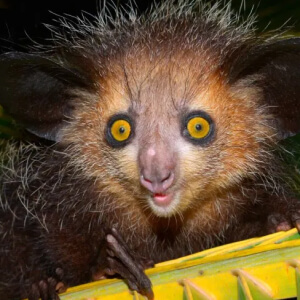 Aye-ayeDaubentonia madagascariensis
B
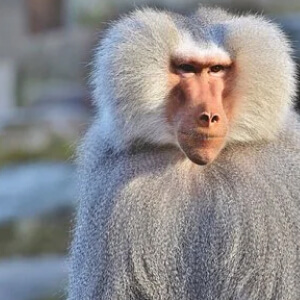 BaboonPapio
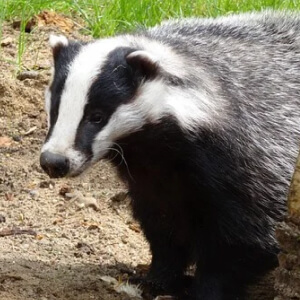 BadgerMeles; Taxidea; Mellivora
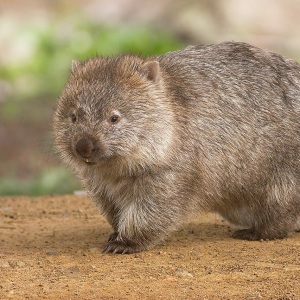 Bare-nosed wombatVombatus ursinus
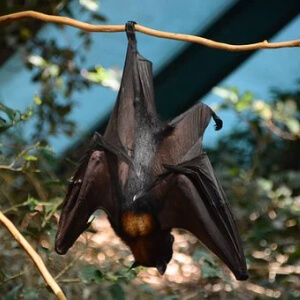 BatChiroptera
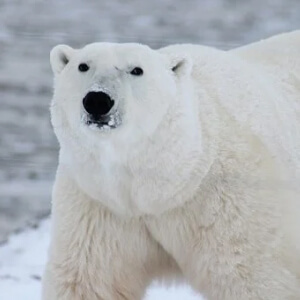
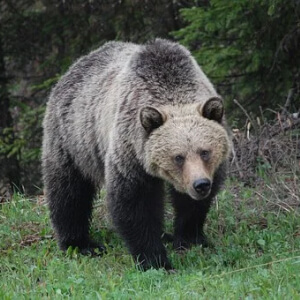 BearUrsidae
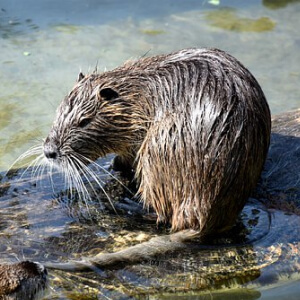 BeaverCastor fiber; Castor canadensis
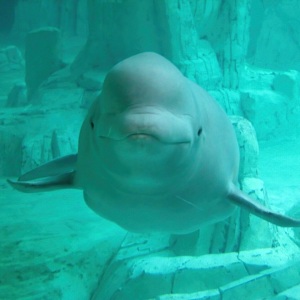 Beluga whaleDelphinapterus leucas
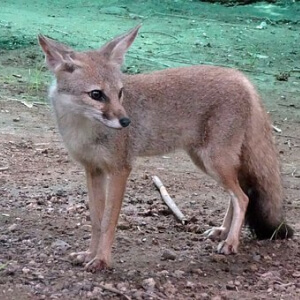 Bengal foxVulpes bengalensis
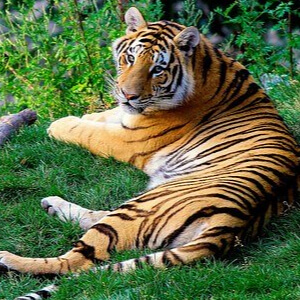 Bengal tigerPanthera tigris
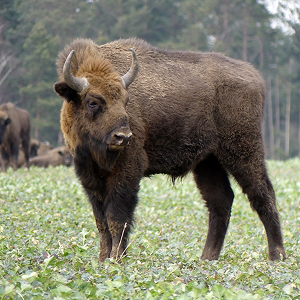
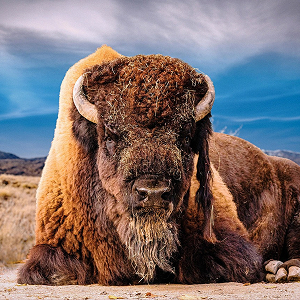 BisonBison bison; Bison bonasus
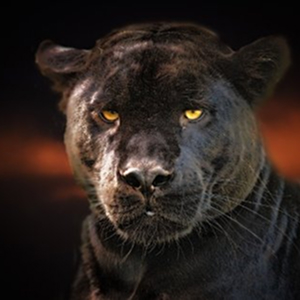 Black pantherPanthera pardus or Panthera onca (melanistic individuals)
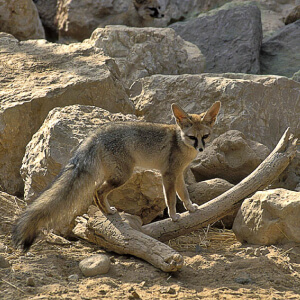 Blanford’s foxVulpes cana
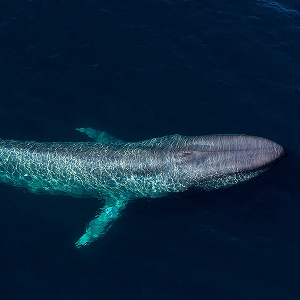 Blue whaleBalaenoptera musculus
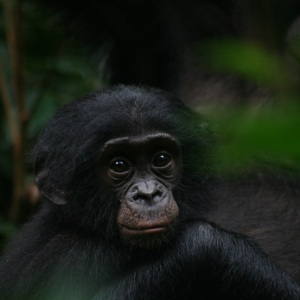 BonoboPan paniscus
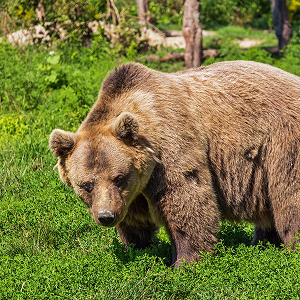 Brown bearUrsus arctos
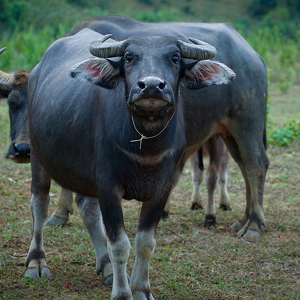 BuffaloBubalus; Syncerus
C
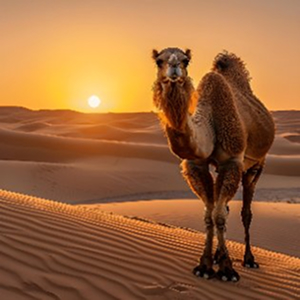
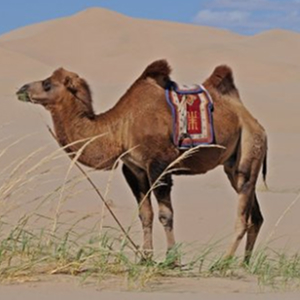 CamelCamelus
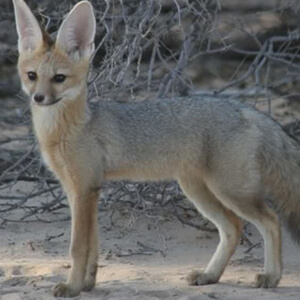
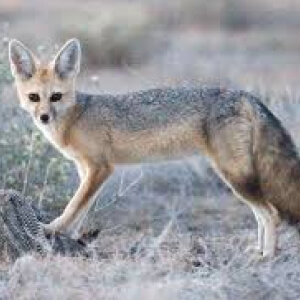 Cape foxVulpes chama
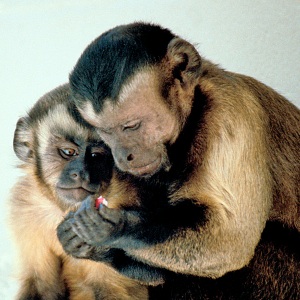 Capuchin monkeyCebinae
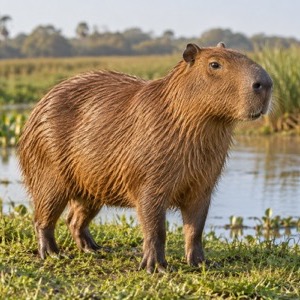 CapybaraHydrochoerus hydrochaeris
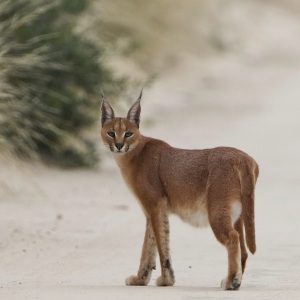 CaracalCaracal caracal
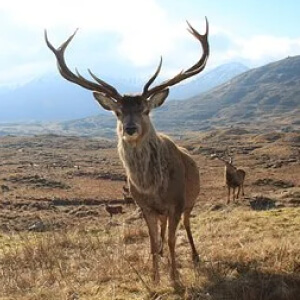
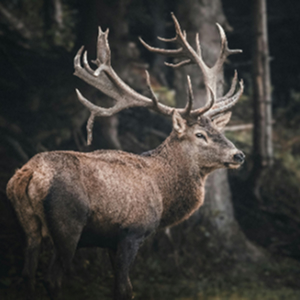 Carpathian red deerCervus elaphus
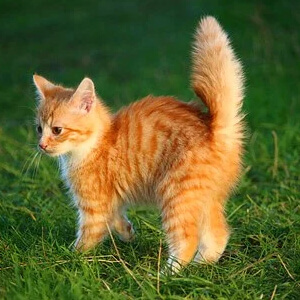 CatFelis catus
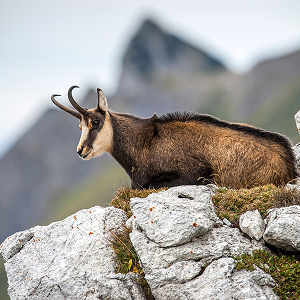 ChamoisRupicapra rupicapra
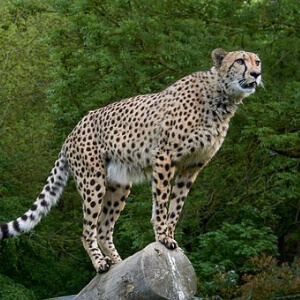 CheetahAcinonyx jubatus
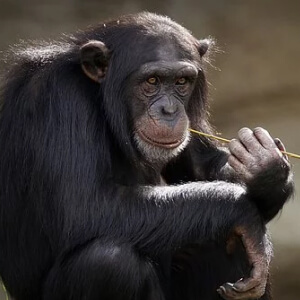 ChimpanzeePan troglodytes
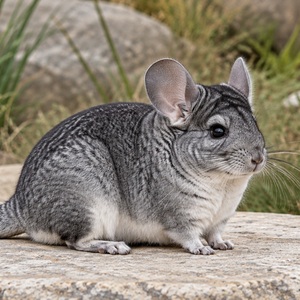 ChinchillaChinchilla spp.
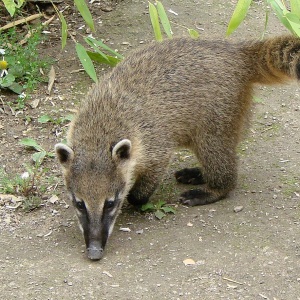 CoatiNasua
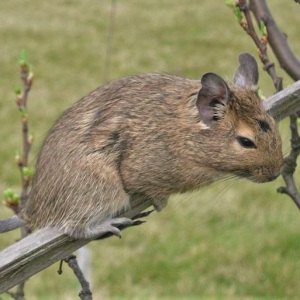 Common deguOctodon degus
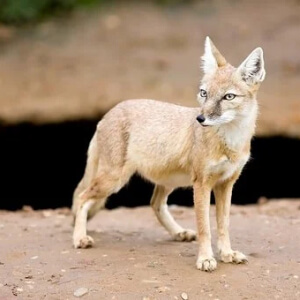 Corsac foxVulpes corsac
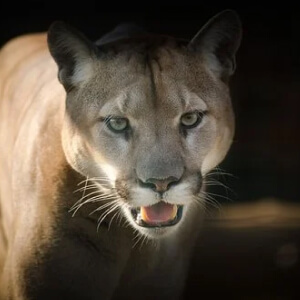 CougarPuma concolor
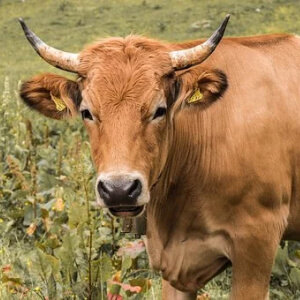 CowBos taurus (domestic cattle)
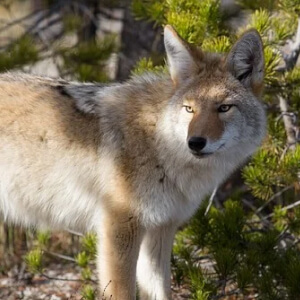 CoyoteCanis latrans
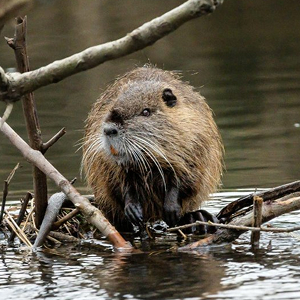 CoypuMyocastor coypus
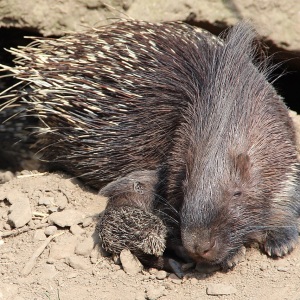 Crested porcupineHystrix cristata
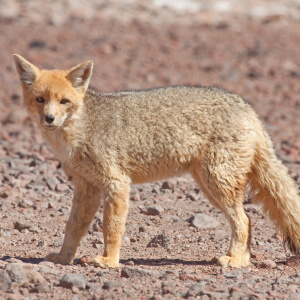 CulpeoLycalopex culpaeus
D
E
F
G
H
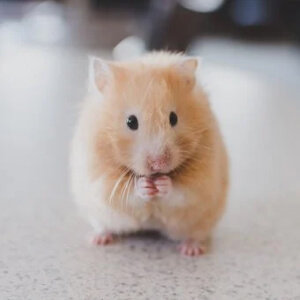
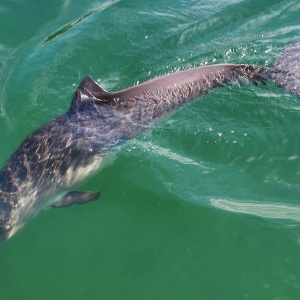
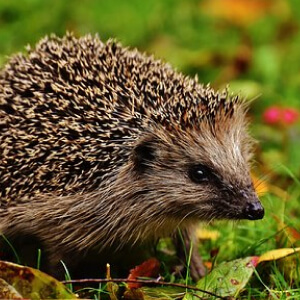
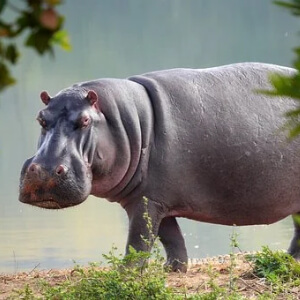
I
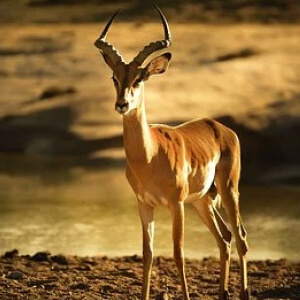
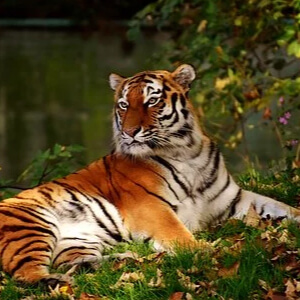
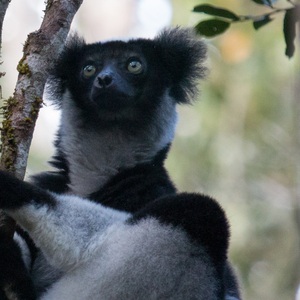
J
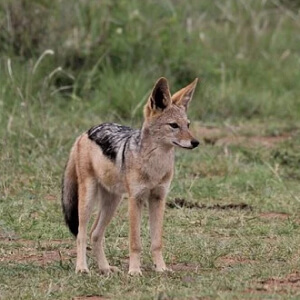
K
L
M
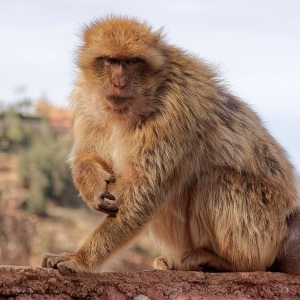 MacaqueMacaca
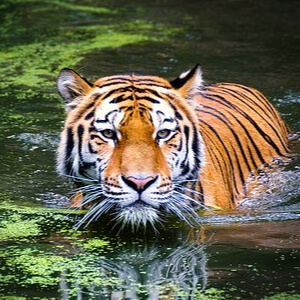 Malayan tigerPanthera tigris
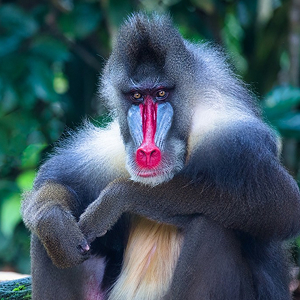 MandrillMandrillus sphinx
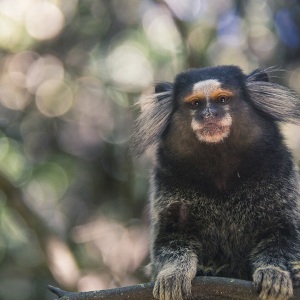 MarmosetCallithrix
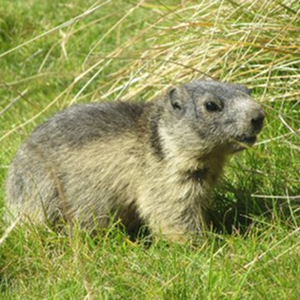 MarmotMarmota spp.
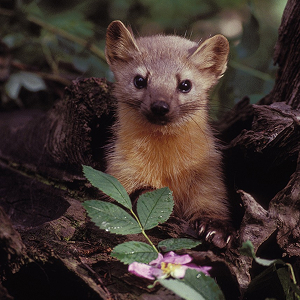 MartenMartes spp.
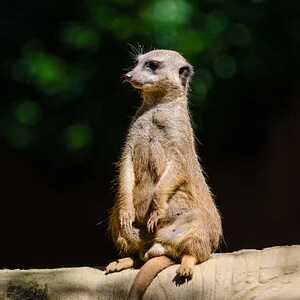 MeerkatSuricata suricatta
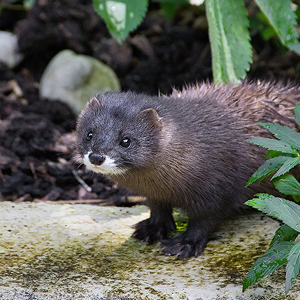 MinkMustela lutreola (European mink); Neogale vison (American mink)
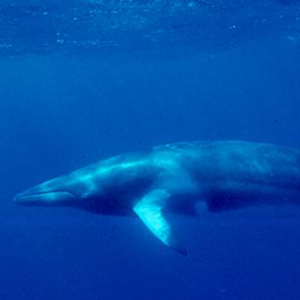 Minke whaleBalaenoptera acutorostrata
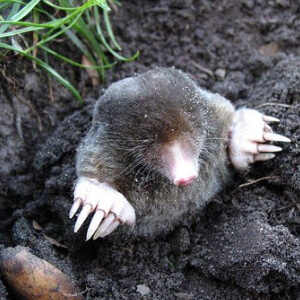 MoleTalpidae
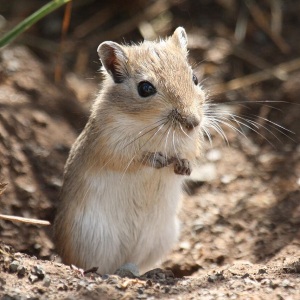 Mongolian gerbilMeriones unguiculatus
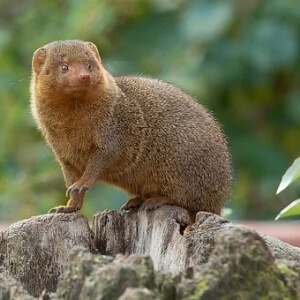 MongooseHerpestidae
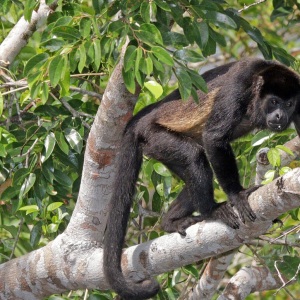
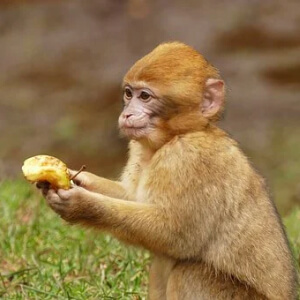 Monkeys and apesSimiiformes (monkeys and apes)
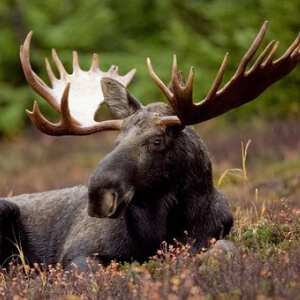 MooseAlces alces
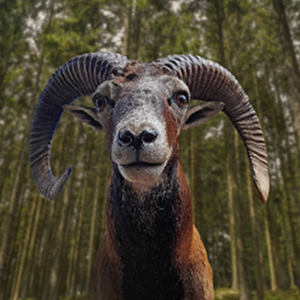 MouflonOvis gmelinii complex; European mouflon naming varies between taxonomic treatments
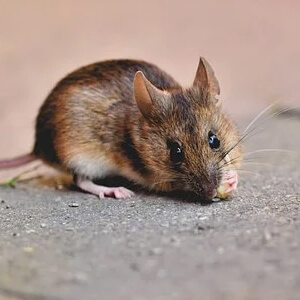 MouseMus spp.; Mus musculus is the house mouse
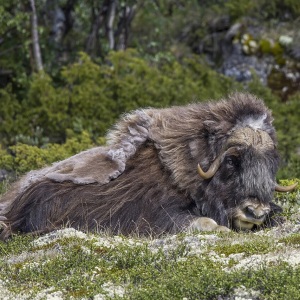 MuskoxOvibos moschatus
N
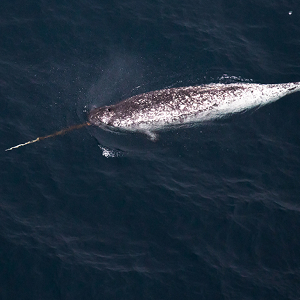
O
P
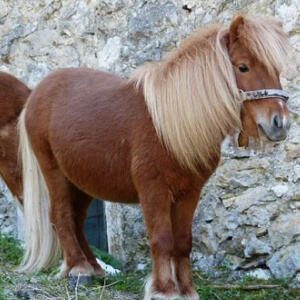
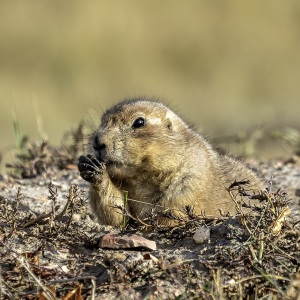
Q
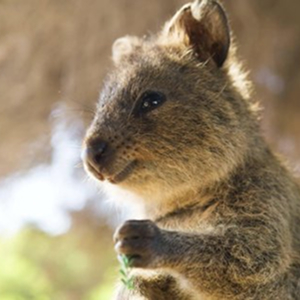
R
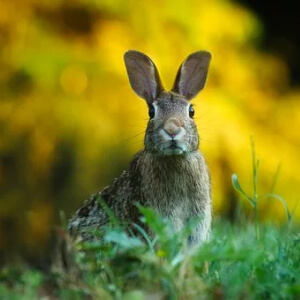
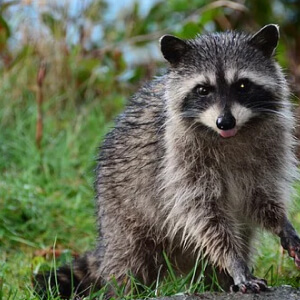
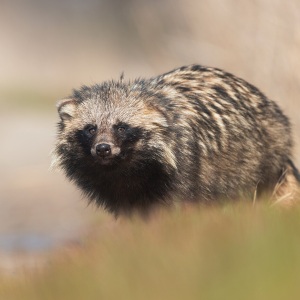
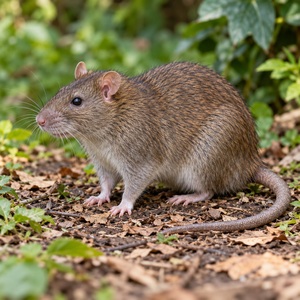
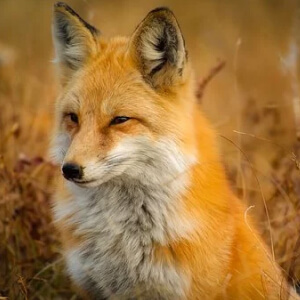
S
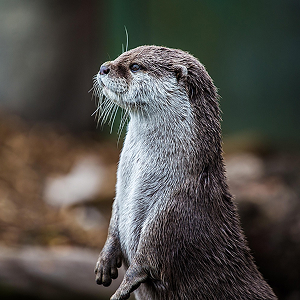
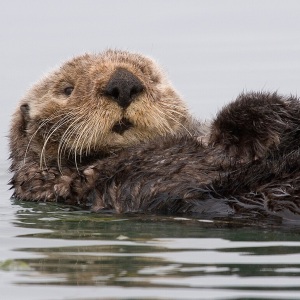 Sea otterEnhydra lutris
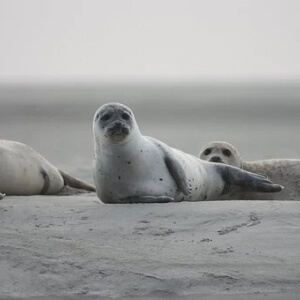 SealPhocidae
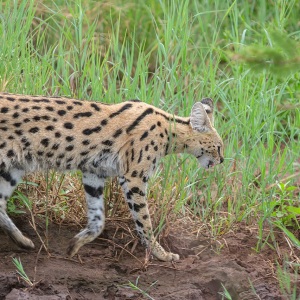 ServalLeptailurus serval
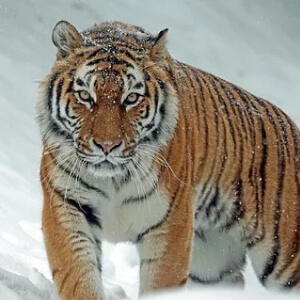 Siberian tigerPanthera tigris
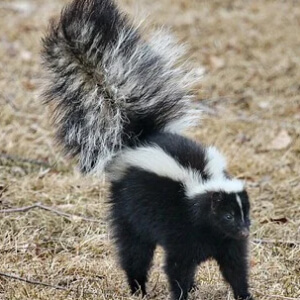 SkunkMephitidae
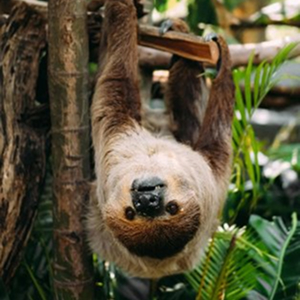 SlothFolivora
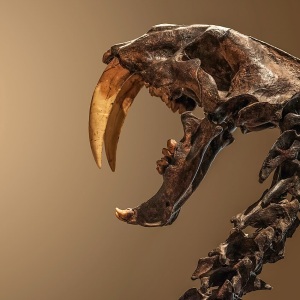 Smilodon (saber-toothed cat)Smilodon
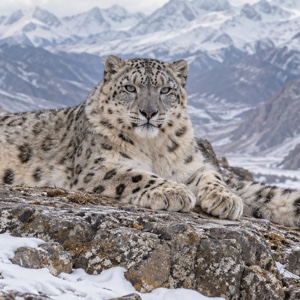 Snow leopardPanthera uncia
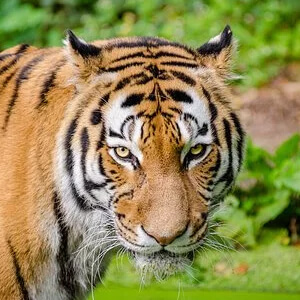 South China tigerPanthera tigris
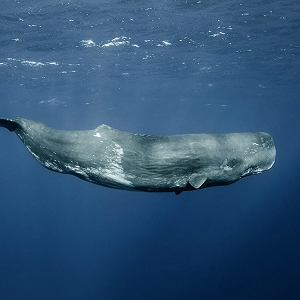 Sperm whalePhyseter macrocephalus
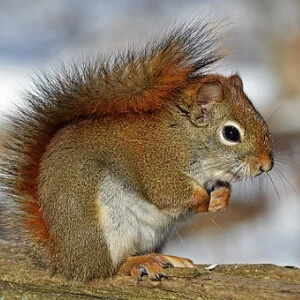 SquirrelSciuridae (squirrels)
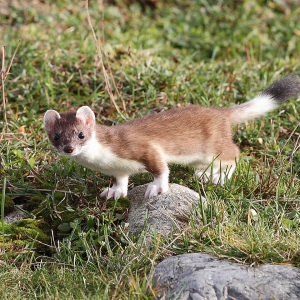 StoatMustela erminea
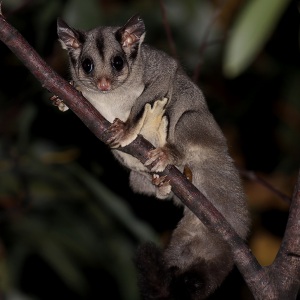 Sugar gliderPetaurus breviceps
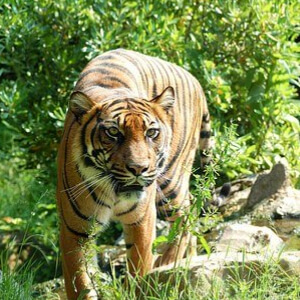 Sumatran tigerPanthera tigris
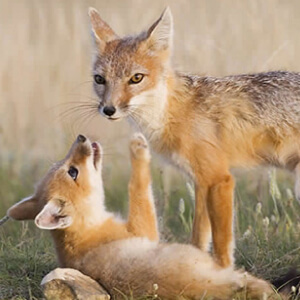 Swift foxVulpes velox
T
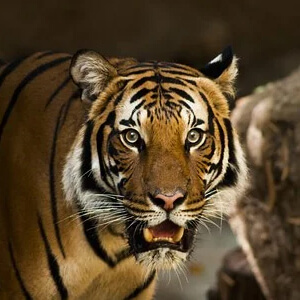
W
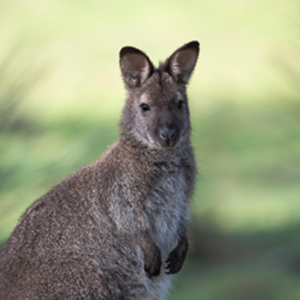 WallabyMacropodidae (wallabies in several genera)
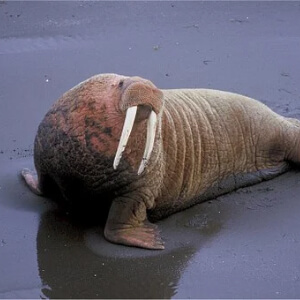 WalrusOdobenus rosmarus
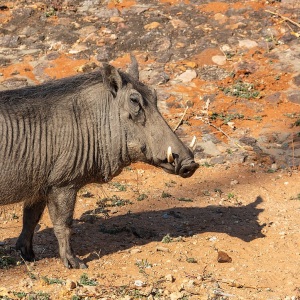 WarthogPhacochoerus
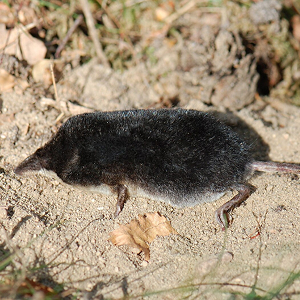 Water shrewNeomys fodiens
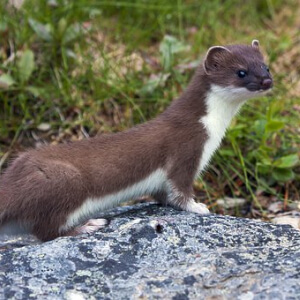 WeaselMustela nivalis
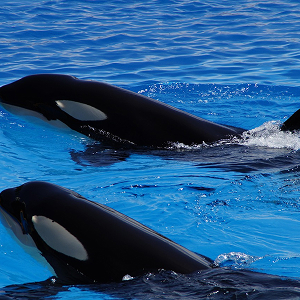
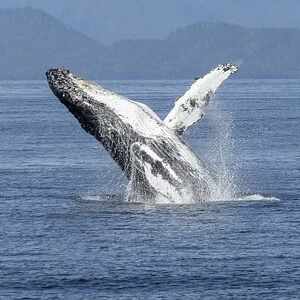 WhaleCetacea
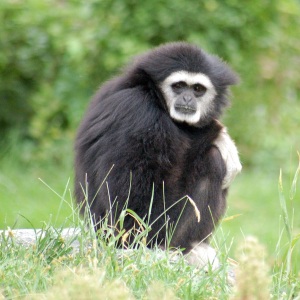 White-handed gibbonHylobates lar
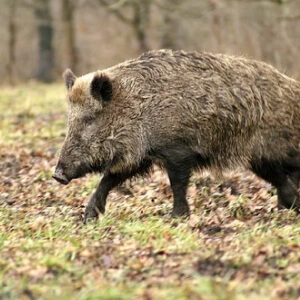 Wild boarSus scrofa
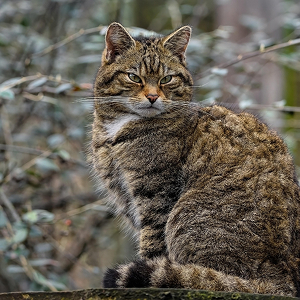 WildcatFelis silvestris (European wildcat)
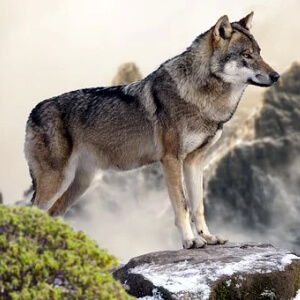 WolfCanis lupus
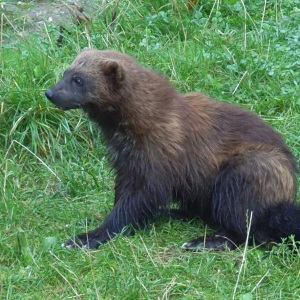 WolverineGulo gulo
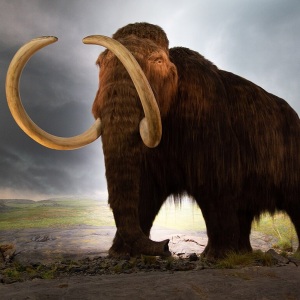 Woolly mammothMammuthus
Y
Z