Grey heronInteresting facts and information
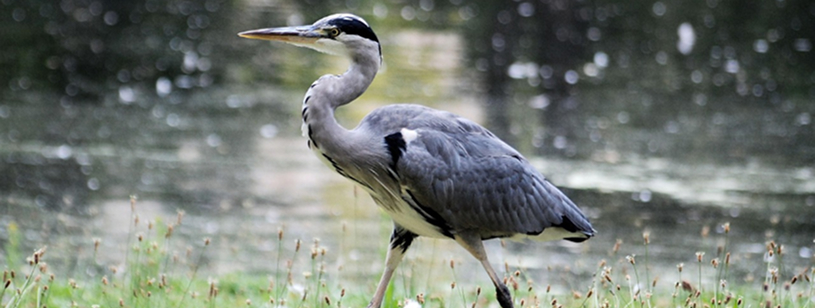
The grey heron (Ardea cinerea) is a long-legged bird found around wetlands, rivers, lakes and coasts. It often waits quietly before striking at prey with its long bill. Its food includes fish and other small animals.
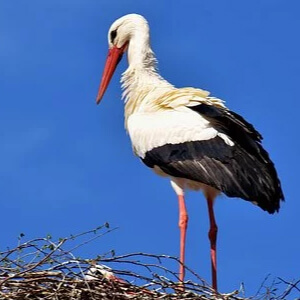
Grey herons catch fish, amphibians and other small animals. In flight, they usually hold their neck folded back, unlike storks.
Wetland loss and changes to water quality can affect grey herons and their food supplies.
Quick facts
| Common name | Grey heron |
| Scientific name | Ardea cinerea |
| Typical lifespan | Often about 5 years; can live more than 20 years |
| Maximum speed | Varies with species or individual, distance and conditions |
| Size | About 84 - 102 cm (length), wingspan 155 - 195 cm |
| Weight | About 1 - 2 kg |
| Diet type | Carnivore (fish, amphibians, insects, small mammals) |
| Main predators | Foxes, martens, crows, raptors (eggs and chicks) |
| Conservation status | Least Concern (IUCN) |
| Habitat | Wetlands, lakes, rivers, deltas, coastal areas |
| Distribution (continents) | Europe, Asia and Africa; occurrence and seasonal movements vary between populations. |
Interesting facts
- A patient hunter - The grey heron stands completely still for long periods, then strikes quickly with its dagger-like bill to catch prey.
- It flies with its neck folded - Unlike storks and cranes, herons fly with their neck pulled back in an "S" shape.
- Big nests - Grey heron nests can be about 1 metre across and are often reused and added to year after year.
- Not only fish - Although fish are its main food, the grey heron also eats frogs, snakes, mice, rats and even small birds.
- An early breeder - Grey herons are among the first birds to breed in Europe, sometimes starting in February.
Records and remarkable features
- The grey heron (Ardea cinerea) is a long-legged bird found around wetlands, rivers, lakes and coasts. It often waits quietly before striking at prey with its long bill. Its food includes fish and other small animals.
- Largest heron in Europe - The grey heron is the largest common heron in Europe, with a wingspan of up to about 195 cm.
- Large colonies - Grey herons nest in colonies called heronries, some with hundreds of nests.
Physical characteristics and adaptations
The grey heron is a large wading bird adapted to hunting in shallow water, with a long neck, long legs and a sharp bill.
Distinguishing physical appearance
- Grey, white and black plumage - Adults are grey above and whitish below, with a white head, a black stripe above the eye and a black crest.
- A long, sharp bill - The yellowish bill is long and pointed, used like a dagger to catch prey.
- A long neck - Special neck bones let the heron fold its neck into an "S" and strike forward very quickly.
- Long legs - Long legs let it wade in shallow water without wetting its feathers.
- Large wings - The wingspan is about 155-195 cm, with slow, deep wingbeats in flight.
Adaptations for survival
- Good eyesight - Herons can see prey moving underwater and also hunt in dim light.
- Slow, steady flight - With slow wingbeats, herons can fly long distances between feeding and nesting sites.
- Standing still - Herons can stand motionless for a long time while waiting for prey.
- Powder down - Special feathers produce a fine powder that helps keep the plumage clean and waterproof.
- Swallowing whole - Herons swallow prey whole and later cough up pellets of bones and fur.
Habits and behaviour
The grey heron usually hunts alone, but nests in colonies and may gather in groups at good feeding places or roosts.
Method of hunting and feeding
- Waiting still - The heron stands still in the water or slowly walks forward, waiting for prey to come close.
- A quick strike - When prey comes within reach, it strikes with its bill very fast.
- Day and night hunting - It hunts mostly at dawn and dusk, but can also feed at night.
Social structure and hierarchy
- Lone hunters - Outside the breeding season, grey herons usually feed alone.
- Breeding colonies - They nest in colonies of a few to hundreds of pairs, usually in tall trees, but also in reeds.
- Defending feeding places - Herons often chase other herons away from their feeding spot with threat displays and calls.
Flight and Migration
- Neck folded in flight - Unlike storks and cranes, which fly with their necks stretched out.
- Partial migrants - Herons from northern and eastern Europe often move south and west in winter, while those in milder regions stay all year.
- Traveling alone or in small groups - During migration, they often fly alone or in small, loose groups.
Communication and interactions
- Loud calls - The grey heron's call is a harsh, loud "fraank", often heard in flight.
- Threat display - When threatened, it spreads its wings, raises its crest and points its bill at the intruder.
- Noisy colonies - Heronries are noisy places, full of clattering bills and the calls of chicks.
Habitat and geographic distribution
The grey heron lives in wetlands with fresh, brackish or salt water, including lakes, rivers, marshes and coasts.
Geographical distribution
| Region | Countries and areas |
|---|---|
| Europe | Widespread, from the Danube Delta to France, Germany and the United Kingdom |
| Asia | Russia, China, India, Japan, Southeast Asia |
| Africa | Most of the continent south of the Sahara, plus North Africa |
| Islands | Madagascar and other islands; rare visitor to Australia |
Habitats
- Lakes and marshes - They prefer shallow water, where they can hunt easily.
- Deltas and estuaries - Grey herons are common in the Danube Delta and other coastal wetlands rich in fish.
- Woods near water - They build their nests in tall trees, often near lakes and rivers.
- Farmland and parks - They also feed in fields, ditches, fish ponds and even garden ponds.
Habitat threats
- Water pollution - Pesticides and other chemicals can harm herons and their food.
- Wetland loss - Draining marshes and cutting down nesting trees reduce suitable habitat.
- Cold winters - Long periods of frozen water can kill many herons.
- Persecution - In some places, herons are illegally killed by people who see them as competitors at fish farms.
Diet and feeding
The grey heron is a predator that eats mainly fish, but also amphibians, reptiles, insects, small mammals and young birds.
What does the grey heron eat?
| Food type | Examples of prey |
|---|---|
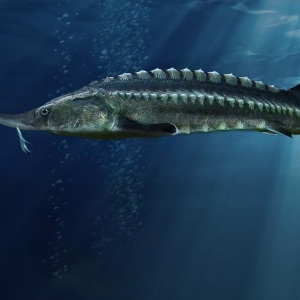
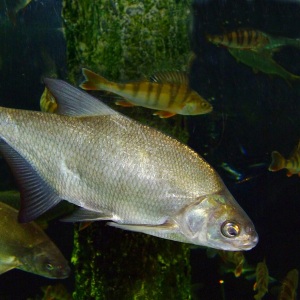
| Fish | Roach, perch, carp, eels, trout and many other fish |
| Amphibians | Frogs, tadpoles, newts |
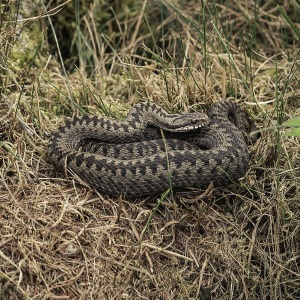
| Reptiles | Water snakes, small lizards |
| Insects | Dragonfly larvae, water beetles, crickets |
| Small mammals | Mice, voles, water voles, young rats |
| Small birds | Ducklings and other young birds |
Method of feeding
- Standing and waiting - The heron stands still in shallow water until prey comes close enough.
- A fast strike - It thrusts its sharp bill forward very quickly to grab or stab prey.
- Swallowing whole - Fish and frogs are swallowed whole, usually head first.
- Hunting at night - It feeds mostly at dawn and dusk, but also at night.
- Hunting on land - In fields and meadows, herons catch voles, mice and large insects.
Food behaviour
- A solitary hunter - It often chases other herons away from its feeding area.
- Opportunist - Herons sometimes take fish from garden ponds and fish farms.
- Daily needs - An adult heron needs about 300-500 g of food a day, and more when feeding chicks.
Reproduction and life cycle
The grey heron nests in colonies called heronries, which may contain from a few to hundreds of nests, usually high in trees.
Breeding and reproduction
| Characteristic | Details |
|---|---|
| Sexual maturity | About 2 years |
| Breeding season | February - June (in Europe) |
| Number of eggs per clutch | 3 - 5 eggs |
| Incubation period | About 25 - 26 days |
| Hatching | Staggered, so older chicks have an advantage over younger ones |
| Time in the nest | About 7 - 8 weeks |
Reproductive behaviour
- Courtship - Males choose a nest site in the colony and attract females with displays, stretching their necks and calling.
- Nest building - The male brings sticks and the female builds the nest; nests are often reused for many years.
- Feeding the chicks - Parents bring food back in their throats and regurgitate it for the chicks.
- Sibling rivalry - Older chicks get more food, and the youngest often die when food is short.
Development and survival of chicks
- Chicks hatch covered in grey down and grow quickly.
- They leave the nest at about 7-8 weeks old, but stay near the colony for a while.
- Many young herons die in their first year, but adults can live more than 20 years.
Name and history
Origin of the name "grey heron"
- The word "heron" comes from the Old French hairon, which has Germanic roots.
- In French it is called "héron cendré" (ash-grey heron), and in Romanian "stârc cenușiu".
- The scientific name Ardea cinerea comes from Latin: ardea means "heron" and cinerea means "ash-grey".
Taxonomic Classification
| Kingdom | Animalia |
|---|---|
| Phylum | Chordata |
| Class | Aves |
| Order | Pelecaniformes |
| Family | Ardeidae |
| Genus | Ardea |
| Species | Ardea cinerea |
History and relationship with people
- Ancient Egypt - The Bennu bird, linked with the sun and rebirth, was usually shown as a heron, often a grey heron.
- Falconry - In medieval Europe, hunting herons with falcons was a sport of kings and nobles, and herons were protected for this purpose.
- Medieval feasts - Roast heron was once served at grand banquets in England.
Cultural significance and mythology
The grey heron has long been a symbol of patience, watchfulness and rebirth in many cultures.
The grey heron in cultural symbolism
- Ancient Egypt - The Bennu, a heron-like bird, was a symbol of the sun, creation and rebirth and may have inspired the Greek legend of the phoenix.
- Europe - Because it waits so patiently for its prey, the heron became a symbol of patience and watchfulness.
- Japan - The grey heron (aosagi) appears often in Japanese paintings and poetry.
Conservation status and threats
Conservation status and overall population
- The grey heron is listed as Least Concern by the IUCN.
- The global population is large; in some regions it has declined because of habitat loss and pollution, while in others it has increased thanks to legal protection.
Main threats
- Wetland loss - Draining marshes and lakes reduces feeding and breeding sites.
- Water pollution - Toxic chemicals can harm herons and their prey.
- Collisions with power lines - Large birds such as herons can be killed by flying into power cables.
- Cold winters - Long freezes make it hard for herons to find food.
- Illegal killing - In some regions, herons are shot by fish farmers.
Conservation efforts
- Protecting wetlands - Nature reserves such as the Danube Delta protect important feeding and nesting areas.
- Legal protection - The grey heron is protected by law in many European countries.
- Protecting colonies - Many heronries are monitored and protected from disturbance.
In popular culture
The grey heron appears in films, art and stories as a mysterious, patient bird of the water's edge.
The grey heron in films
- "The Boy and the Heron" (2023) - Hayao Miyazaki's Oscar-winning animated film features a mysterious grey heron as one of its main characters.
The grey heron in art and literature
- Japanese art - Herons are a favourite subject of Japanese woodblock prints and ink paintings.
- Fables - In La Fontaine's fable "The Heron", a fussy heron refuses fish it thinks are not good enough and ends up eating a snail.