TenchTinca tinca — habitat, diet and reproduction
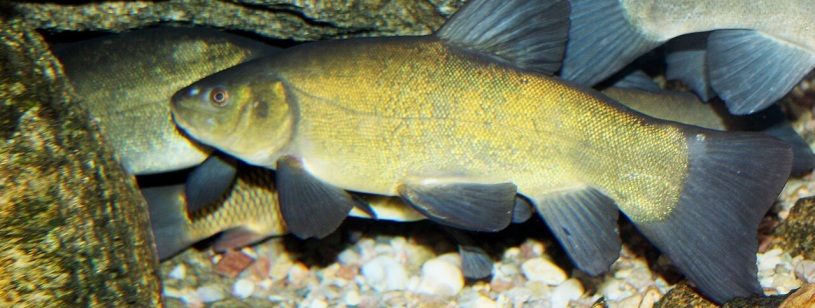
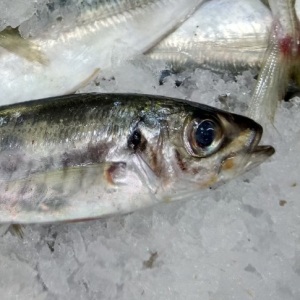
Tench (Tinca tinca) photographed in an aquarium. · Karelj / Public domain ().
The tench is a stocky, olive-green freshwater fish with small reddish eyes. Quiet, plant-rich water offers both cover and feeding opportunities. Its tiny scales and thick mucus coating make the skin look smooth. Two short barbels, one at each mouth corner, help it find animals on the bottom.
Quick facts
| Common name | Tench |
| Scientific name | Tinca tinca |
| Lifespan | Around 10–15 years; some individuals live longer |
| Diet | Omnivore, with many bottom-dwelling invertebrates |
| Predators | Pike and zander, depending on tench size |
| Conservation status | Least Concern (LC), global assessment 2022 |
| Distribution | Europe and parts of Asia; introduced elsewhere |
| Habitat | Vegetated lakes, ponds, canals and slow rivers |
| Length | Varies between populations; fish measuring a few tens of centimetres are common |
| Family | Tincidae |
| Reproduction | Adhesive eggs laid among plants |
- Primary category:Fish
- Explore this animal's categories:
Interesting facts
- Scales are present even though the skin looks almost smooth.
- The two barbels are sensory structures.
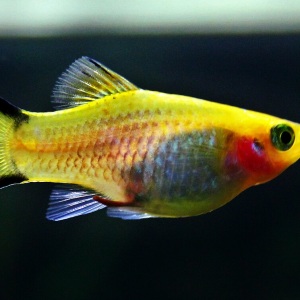
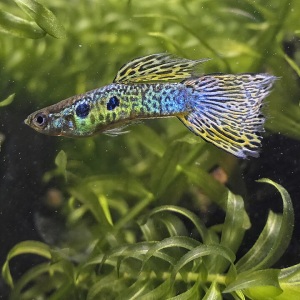
- Golden ornamental varieties also exist.
- Mature males have more developed pelvic fins than females.
Characteristics
A compact body, rounded fins and broad tail give the tench its outline. The back may look brown, while the sides show green or bronze tones. Orange-red eyes contrast with the body.
Tiny scales sit deeply in the skin beneath mucus. Golden forms retain the species’ body features despite different pigmentation. Size varies with age, food and population, so a particularly large fish does not represent every tench.
Behaviour
Tench spend much of their time near the bottom and dense plants. Feeding often increases around dusk and at night.
They tolerate lower oxygen levels than many other fishes, but this does not make pollution beneficial. Toxic substances and habitat degradation remain harmful. Activity decreases in cold conditions. Staying under cover also makes tench less conspicuous than open-water swimmers.
Habitat and distribution
The natural range covers much of Europe and parts of Asia. Romanian populations occupy ponds, lakes and slow waters, including Danube floodplain habitats.
Soft substrates and abundant plants are characteristic. Reeds and submerged vegetation provide cover and egg-laying surfaces. People have introduced tench elsewhere, where their effects on local communities may differ from those within the native range.
Diet and feeding
Food includes insect larvae, snails, small mussels and crustaceans, alongside plant material and organic debris. Omnivore is therefore more accurate than an exclusively carnivorous label.
Barbels help locate food close to sediment. The mouth takes small organisms from the bottom and among plants. This can disturb patches of mud, connecting buried invertebrates to the fish that feed on them.
Reproduction and life cycle
Breeding takes place during warm weather in shallow water. Eggs are fertilised externally and stick to plants. Spawning may occur in several batches.
Newly hatched larvae initially use their yolk reserves before seeking tiny food. Growth and the age of first breeding depend on temperature and resources. Vegetated margins are therefore valuable nursery habitat as well as adult cover.
Name and history
The scientific name is Tinca tinca. Current classifications place it in Tincidae, although older guides include it in the wider carp family.
The British nickname “doctor fish” reflects a historical belief that its mucus healed other fish, not an established treatment. Introduction to New Zealand in the nineteenth century illustrates how a valued species can become troublesome outside its native range.
Conservation and threats
The global category is Least Concern. Local populations nevertheless depend on habitat and water quality. Removing waterside vegetation and losing ponds can reduce breeding opportunities.
Wetland protection benefits tench alongside other species. Moving fish into waters where they do not naturally occur may harm existing wildlife; introducing tench is not a universal way to improve a lake.
Frequently asked questions
Does a tench have scales?
Yes. Its tiny scales sit deeply in the skin beneath mucus.
Can tench live in rivers?
Yes, particularly in slow, vegetated sections. Quiet water is generally preferred.
How many barbels does it have?
Two short barbels, one at each mouth corner.
Is golden tench another species?
No. It is an ornamental colour variety of Tinca tinca.