Corsac foxInteresting facts and information
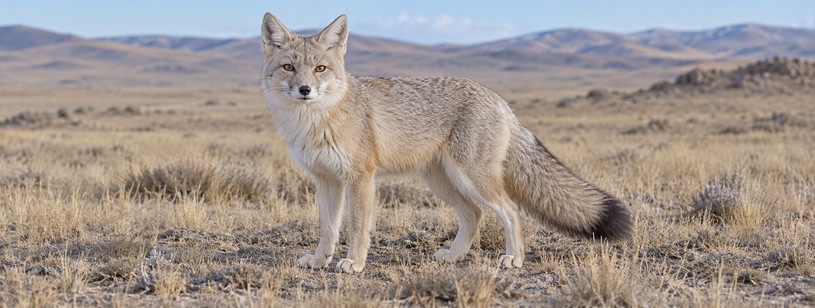
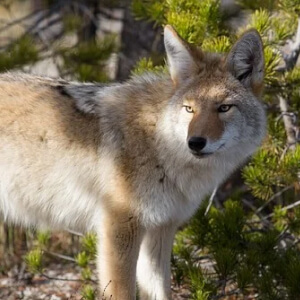
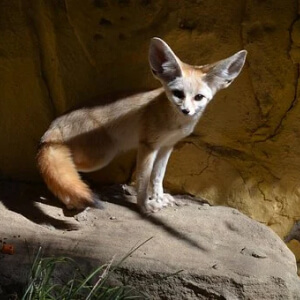
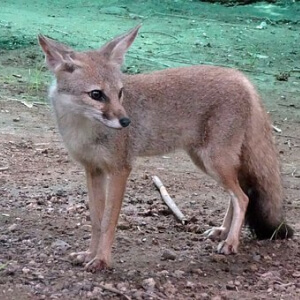
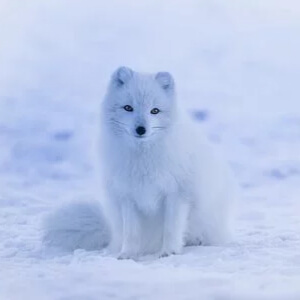
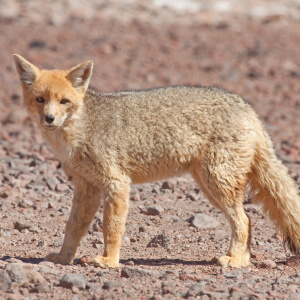
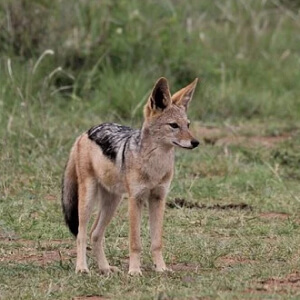
AI illustration of corsac fox.
The corsac fox is a small, greyish-yellow fox adapted to Eurasian steppes and semi-deserts. It has a bushy, dark-tipped tail and feeds mainly on small mammals and insects. Its winter coat becomes thick and pale, but never completely white like that of the Arctic fox.
Its scientific name is Vulpes corsac. Most of its range lies in Central Asia, from Kazakhstan to Mongolia and northern China, but it also reaches the steppes of southern Russia at Europe’s far eastern edge.
Quick facts
| Species | Vulpes corsac |
| Class / order / family | Mammalia / Carnivora / Canidae |
| Distribution | Eurasian steppes and semi-deserts, particularly Central Asia |
| Habitat | Open steppe, semi-desert and low vegetation |
| Size | Approximately 1.9–3.2 kg; head and body around 45–56 cm |
| Diet | Omnivorous; small mammals and insects predominate |
| Reproduction | Gestation around 52–60 days; often 5–6 pups |
| Young | Born alive and raised in a den |
| Conservation | Least Concern (LC), global status |
Interesting facts
- Thick fur helps it withstand cold, but deep snow causes difficulties. Insulation and moving through snow require different adaptations.
- It can use burrows made by other mammals. Shelters of large rodents can become fox refuges.
- Steppe is its characteristic habitat. It does not need dense forest to survive.
- Food and snow influence its movements. In some regions it moves towards areas where prey remains accessible.
- Its tail has a dark tip. Red foxes often have a white tip, although identification requires other features too.
Records and remarkable features
It is considerably smaller than many adult red foxes. The Canid Specialist Group gives approximately 1.9–3.2 kg and a head-and-body length of around 45–56 cm, excluding the tail, for the animals described.
It is not the world’s smallest fox. Fennecs and Blanford’s foxes can be smaller.
A striking feature is the contrast between withstanding cold winters and difficulty using ground under deep snow. Cold is only one winter challenge: access to food can matter just as much.
Characteristics
The fur has grey, ochre and yellowish shades. The throat and underside are paler, and the tail is thickly furred. In winter the coat becomes dense and may look silvery.
| Feature | What it indicates |
| Greyish-yellow coat | Camouflage among dry grass and exposed soil |
| Dark-tipped tail | A useful identification clue |
| Prominent ears | The characteristic outline of a small fox |
| Dense winter coat | Insulation in a cold continental climate |
It does not become completely white in winter, unlike some Arctic foxes. A paler, denser coat is a different seasonal change.
It should also be distinguished from the Tibetan sand fox. Tibetan sand foxes have very broad cheeks and are associated with high plateaus; corsacs are linked mainly to steppe and semi-desert.
Habits and behaviour
It forages mainly in the evening and at night, although it can be seen at other times. It uses hearing, smell and sight to find small animals in open country.
Dens offer shelter and a place to raise pups. Corsacs can use and modify existing tunnels, including rodent burrows. Not every occupied den was originally dug by the fox.
Movements depend on resources. A year with abundant food may offer favourable conditions; persistent winter snow can make the same rodents harder to reach.
Seasonal or long-distance movements have been reported in some populations. In years of deep snow, corsacs sometimes move south in large numbers in search of food.
Habitat and geographic distribution
It lives in Eurasian steppes, semi-deserts and other open landscapes. The range includes parts of Kazakhstan, Mongolia, China and Central Asian countries, extending towards eastern Europe and southern Russia.
It often favours low vegetation and areas with small prey. Dense forests, mountains and places with very deep snow are not its usual habitat.
- Steppe offers rodents and open ground.
- Semi-desert can support prey despite sparse vegetation.
- Dens provide refuge and protection for pups.
- Ground with shallow or compacted snow may allow easier access to winter food.
It also uses farmland in some areas.
Diet and feeding
Small mammals and insects form an important part of the diet. It may catch voles, gerbils, jerboas and other local animals, with opportunities differing across its range.
It also eats birds or carrion and sometimes plant resources. A carcass can be valuable in difficult periods.
It finds food by careful searching and short attacks. Listening and watching for prey movements matter in open country.
Deep snow can hide and protect rodents. A fox may suffer food shortages even when prey is present beneath the snow if that prey is hard to reach.
Reproduction and life cycle
Breeding is seasonal. Across much of the range, mating occurs in winter or early spring. Gestation lasts approximately 52–60 days, according to the species monograph.
Litters of 5–6 pups are often described, but numbers vary. Pups are born with closed eyes and depend on adults and the safety of the den.
| Stage | Development |
| Birth | Small pups with closed eyes |
| Early weeks | Nursing and developing senses |
| Leaving the den | Exploration and play nearby |
| Growth | Transition to solid food and increasingly wide movements |
Food abundance can influence breeding success. A good spring for rodents can provide more resources for adults and pups, whereas shortages reduce survival prospects.
Name and history
The name corsac comes, through Russian korsak, from a Turkic name for the steppe fox. The species was scientifically described in 1768 as Canis corsac. Corsac fox is common in English, while “steppe fox” describes its characteristic habitat.
It is a separate species from the red fox, which lives in many of the same regions.
Corsac studies highlight links between climate, snow and food. For a small steppe animal, weather changes affect both exposure to temperature and ease of access to prey.
Conservation status and threats
The global status is Least Concern (LC), according to the Canid Specialist Group. The species has a wide range, but numbers can fluctuate and some local populations face problems.
Fur hunting, habitat change and mortality associated with human activities are threats. Severe winters can add considerable natural pressure, especially when food becomes difficult to reach.
Steppe protection and long-term population monitoring support conservation. In Mongolia and Kazakhstan, corsacs have long been hunted for their fur, and hunting is regulated in many areas.
Discover other foxes
Read about Red fox or explore: Culpeo · Pale fox · Blanford's fox · Cape fox · Tibetan sand fox · Swift fox · Kit fox · Bengal fox · Fennec fox · Arctic fox.
Frequently asked questions
- Where does the corsac fox live? In Eurasian steppes and semi-deserts, particularly Central Asia. Its range reaches the far east of Europe, in southern Russia.
- What does it eat? Mainly small mammals and insects, supplemented with other animals, carrion and some plant resources. Food varies with region, season and local prey abundance.
- Does it become white in winter? No. The coat thickens and may look paler or silvery, but does not become completely white like that of some Arctic foxes. They are different species.
- Does it hibernate? No. It remains active and must find food. In some regions it changes its movements when snow and prey shortages make conditions more difficult.
- Why is deep snow a problem? It can hinder movement and access to small mammals. Good insulation does not automatically solve the difficulty of travelling and hunting through deep snow.
- How much does it weigh? The Canid Specialist Group reports approximately 1.9–3.2 kg for the adults described. It is generally much smaller than an adult red fox, although measurements vary.
- How does it reproduce? Gestation lasts approximately 52–60 days. Litters of 5–6 pups are often described, with variation. Pups are born with closed eyes and grow in a den.
- Is it threatened with extinction? Its global status is Least Concern. Hunting, habitat change and severe winters can affect local populations; numbers are not constant every year.