Bengal foxInteresting facts and information
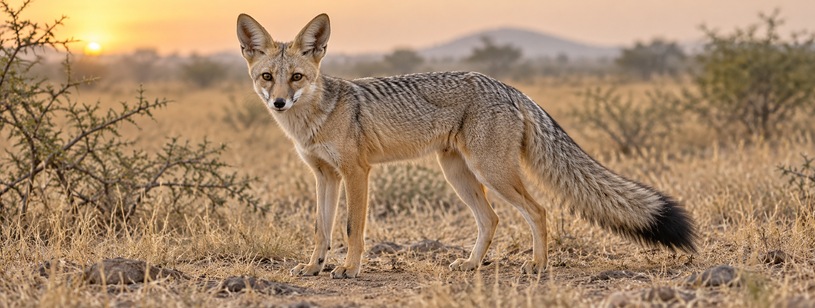
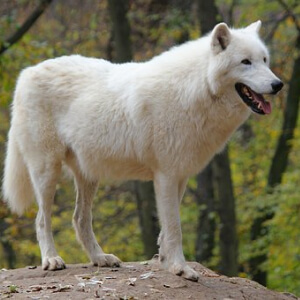
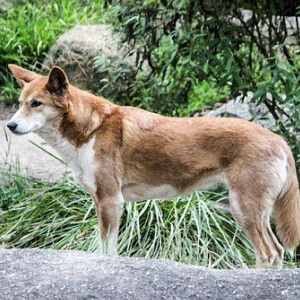
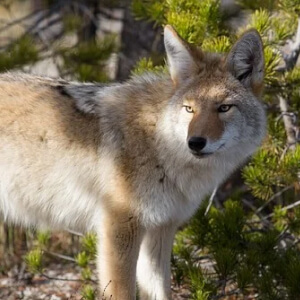
AI illustration of bengal fox.
The Bengal fox is a small fox of the Indian subcontinent, with grey fur, reddish legs and a bushy, black-tipped tail. It favours open landscapes with short grass and shrubs, searching mainly for small animals, insects and fruit.
Its scientific name is Vulpes bengalensis, and it is also called the Indian fox. Its range extends beyond Bengal. It is a distinct species with its own environmental adaptations, rather than a red fox subspecies.
Quick facts
| Species | Vulpes bengalensis |
| Class / order / family | Mammalia / Carnivora / Canidae |
| Distribution | The Indian subcontinent, including India, Nepal and Pakistan |
| Habitat | Grasslands, scrub and open or semi-arid ground |
| Size | Around 2.7–3.2 kg; head and body approximately 39–58 cm, plus a 25–35 cm tail |
| Diet | Omnivorous: insects, small mammals, other animals and fruit |
| Reproduction | Gestation around 50–53 days; usually 2–4 pups |
| Young | Born alive and raised in a den |
| Conservation | Least Concern (LC), global status; declining |
- Primary category:Mammals
- Explore this animal's categories:
Interesting facts
- It often favours open ground over dense jungle. Living in India does not make it exclusively a tropical forest animal.
- The tail can look almost as impressive as the rest of the body. It is long, bushy and black-tipped.
- It includes fruit in its diet. Membership of Carnivora does not require eating only meat.
- Pairs can remain associated after the breeding season. The bond need not be confined to mating.
- Dens matter for the family. Several entrances and chambers can offer refuge options.
Records and remarkable features
It is a small fox, distinct from jackals and red foxes. In the dataset presented, the Canid Specialist Group describes adults of approximately 2.7–3.2 kg and head-and-body lengths around 39–58 cm.
Its bushy tail adds another 25–35 cm.
A remarkable feature is its adaptation to open landscapes in a highly diverse region. The Indian subcontinent includes grasslands and dry scrub with their own animal communities, as well as forests and mountains.
Characteristics
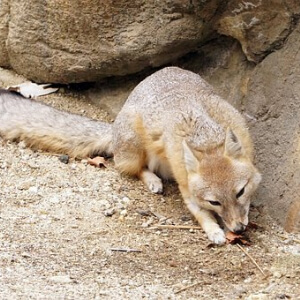
The upper body is grey, often with brownish shades. The legs are reddish and the underside paler. It has prominent ears, a fine muzzle and a well-furred tail.
| Feature | Identification clue |
| Grey back | Different from the strong reddish colour of many red foxes |
| Reddish legs | Contrast with the trunk |
| Long, bushy tail | Visible black tip |
| Small, slender body | A light, fox-like outline |
Colour alone is insufficient for identification. Light, season and coat condition change appearance. Distribution and body proportions are also needed.
Red foxes also live in parts of India, mainly in the north-west and the Himalayas, so not every fox seen in India is a Bengal fox.
Habits and behaviour
It forages mainly in the evening and at night, but can be active at other times. Dim-light hours offer suitable conditions for exploring open ground.
Adults can form stable pairs and use dens for rest and raising young. They frequently forage individually even while sharing a territory.
A den can have several entrances and interior spaces. Its position and use depend on soil, cover and safety.
Communication includes scents and body signals. These help maintain contact and convey information about the occupied area without the animals being constantly together.
Habitat and geographic distribution
The Bengal fox inhabits the Indian subcontinent, particularly India and neighbouring regions, including Nepal and Pakistan. Its name does not restrict it to Bengal.
It uses grasslands, thorn scrub, semi-arid landscapes and open country. Dense forests and very wet areas are not its characteristic habitat.
- Short grass allows movement and prey searching.
- Shrubs and native vegetation provide resources and sheltered places.
- Suitable soil allows denning.
- Connected habitats support travel between feeding areas.
It can also use landscapes near farmland. Complete conversion of native vegetation can reduce food and shelter, however.
Diet and feeding
It is omnivorous, eating insects, rodents, other small vertebrates and fruit. Seasonal availability influences their proportions.
Food is sought on the ground and among low vegetation. It moves, investigates and takes opportunities encountered. It is not specialised in hunting large herbivores.
Fruit can supplement energy obtained from prey, while insects become important when abundant.
Its ecosystem role includes eating small animals and participating in grassland food webs. Protecting the fox also means retaining natural resources, alongside avoiding direct capture.
Reproduction and life cycle
The species monograph reports gestation of approximately 50–53 days, usually producing 2–4 pups. Pairs may remain associated after the breeding period.
Timing differs between regions. Some populations give birth early in the year, while other records suggest a relationship with the rainy season.
| Stage | Development |
| Birth | Pups with closed eyes, dependent on their mother |
| Early weeks | Nursing and growing inside shelter |
| First outings | Exploring the den area |
| Later growth | Solid food and practising movement |
Play and exploration become visible as pups emerge. This attracts observers, but repeated approaches can disturb the family. Distance and quiet are more helpful than a very close photograph.
Name and history
Bengal fox and Indian fox identify the same species, Vulpes bengalensis. Scientific names help distinguish it from other Asian foxes when translating common names.
Its name recalls one region, while the distribution is wider. Like many animal names, it does not describe every place the species inhabits.
In parts of Tamil Nadu, Bengal foxes were traditionally caught and paraded during the Pongal harvest festival, a custom sometimes called "nari jallikattu" (fox jallikattu), which is now illegal.
Conservation status and threats
The global status is Least Concern (LC), according to the Canid Specialist Group, which reports a declining population trend.
Grassland and scrub conversion, habitat fragmentation, road mortality and interactions with dogs can create problems. Disease and reduced food can add to direct pressures.
Conservation requires recognising the value of open landscapes. Important habitats are not all forests: natural grassland can be essential for a species that avoids very dense vegetation.
Monitoring, reducing disturbance at dens and retaining habitat connections can help local populations.
Discover other foxes
Read about Red fox or explore: Culpeo · Pale fox · Blanford's fox · Cape fox · Corsac fox · Tibetan sand fox · Swift fox · Kit fox · Fennec fox · Arctic fox.
Frequently asked questions
- Where does the Bengal fox live? In the Indian subcontinent, particularly India and neighbouring regions, including Nepal and Pakistan. Its range is wider than Bengal, despite the name.
- What is its scientific name? Vulpes bengalensis. English names include Bengal fox and Indian fox. It is a distinct species, rather than a red fox subspecies.
- Does it live in jungle? Its characteristic habitat is open: grasslands, scrub and semi-arid ground. Dense forests and very wet areas do not describe its preferred environment well.
- How is it recognised? By a small body, grey back, reddish legs and a bushy, black-tipped tail. Identification should include distribution and proportions, rather than coat colour alone.
- What does it eat? Insects, rodents, other small animals and fruit. Its omnivorous diet varies with region and season; it is not specialised in hunting large herbivores.
- When is it active? Mainly in the evening and at night, although it may be seen at other times. It uses dens and can maintain a pair bond beyond the breeding season.
- How does it reproduce? Gestation is approximately 50–53 days, usually with 2–4 pups. Most births take place in the first months of the year, with some differences between regions.
- Is it threatened with extinction? Its global status is Least Concern, but the Canid Specialist Group reports a declining trend. Habitat loss, fragmentation, dogs and road accidents can create local problems.